
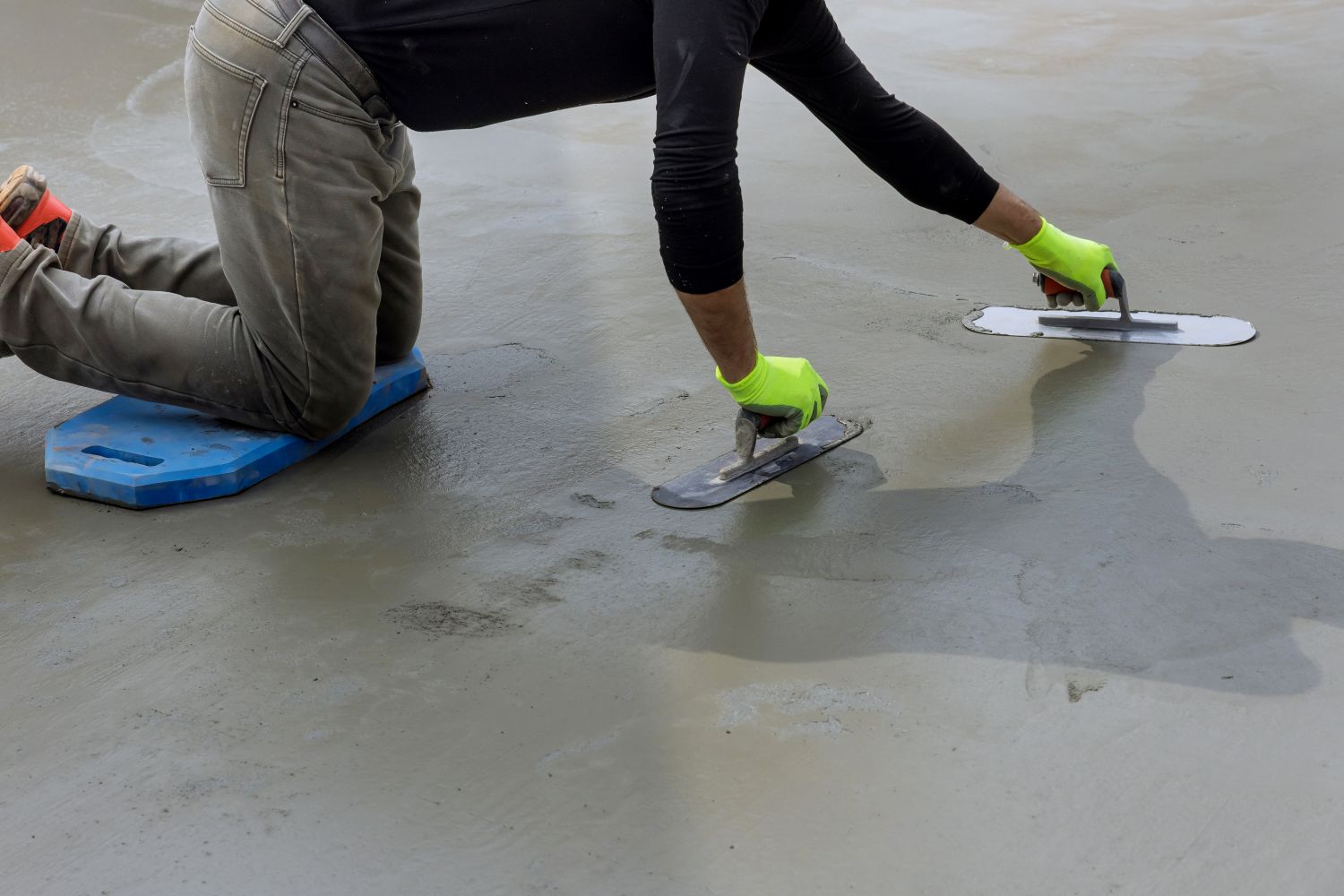
Factory floors endure significant wear and tear due to heavy machinery, foot traffic, and exposure to various substances. Over time, this constant stress can lead to cracks, chips, and surface damage, which can compromise not only the aesthetic appeal of the facility but also the safety and efficiency of operations. Repair cement offers a practical solution for restoring factory floors, ensuring they remain durable and safe for ongoing use. This article explores the common reasons why factory floors succumb to damage and how repair cement can effectively restore them.
Common Causes of Factory Floor Damage
1. Heavy Machinery and Equipment
Impact Stress
Factory floors are often subjected to the weight of heavy machinery and equipment. The constant movement and vibrations can lead to surface cracking and deformation over time. Additionally, the heavy loads can create pressure points that contribute to structural damage.
2. Chemical Spills
Corrosive Substances
Many factories handle chemicals, oils, and other substances that can spill onto the floor. These spills can erode the surface, leading to deterioration and weakening of the underlying material. If not addressed promptly, chemical spills can cause significant damage.
3. Moisture and Water Damage
Water Intrusion
Moisture can seep into the concrete, especially in areas where spills or leaks occur. Over time, this can lead to issues such as mold growth, efflorescence, and weakening of the concrete structure. In colder climates, water trapped in the floor can freeze and expand, causing further cracking.
4. Poor Installation or Maintenance
Quality of Construction
Factory floors that are poorly installed or inadequately maintained are more prone to damage. Factors such as insufficient curing time, improper material selection, and lack of regular maintenance can lead to premature wear and issues.
5. Environmental Factors
Temperature Fluctuations
Extreme temperature changes can cause concrete to expand and contract, leading to cracking and surface damage. Additionally, exposure to UV rays and other environmental elements can weaken the floor surface over time.
How Repair Cement Restores Factory Floors
1. Filling Cracks and Holes
Sealing Imperfections
Repair cement is specifically designed to fill cracks and holes in concrete surfaces. By applying repair cement, factory floors can be restored to their original condition, preventing further deterioration and enhancing safety.
2. Surface Resurfacing
Restoring Smoothness
In cases where the floor surface has become uneven or worn, repair cement can be used for resurfacing. This process involves applying a thin layer of repair cement over the entire surface, creating a smooth, even finish that improves both functionality and aesthetics.
3. Enhancing Durability
Strengthening the Surface
Repair cement formulations often contain additives that enhance strength and durability. By using high-quality repair cement, factory floors can withstand heavy loads, resist wear and tear, and endure the rigors of daily operations.
4. Chemical Resistance
Protecting Against Future Damage
Many repair cements are formulated to resist chemicals and moisture, providing an added layer of protection for factory floors. This resistance is particularly important in industrial environments where spills are likely to occur.
5. Quick Application and Minimal Downtime
Efficient Repairs
Repair cement can often be applied quickly and cures relatively fast, allowing for minimal downtime during the repair process. This efficiency is crucial in a factory setting, where prolonged closures can lead to significant productivity losses.
Best Practices for Using Repair Cement
1. Surface Preparation
Before applying repair cement, it’s essential to prepare the surface properly. This includes cleaning the area to remove debris, dust, and any contaminants that could hinder adhesion. For larger cracks, it may be necessary to widen them slightly to create a better bonding surface.
2. Follow Manufacturer Instructions
Always follow the manufacturer’s recommendations for mixing, application, and curing times. Proper adherence to these guidelines ensures optimal performance and longevity of the repair.
3. Regular Maintenance
After repairing factory floors, implement a regular maintenance schedule to keep the surface in good condition. Regular cleaning, inspections, and addressing minor issues before they escalate can extend the lifespan of the repairs.
4. Monitor Environmental Conditions
Be mindful of environmental factors that can affect the curing process, such as temperature and humidity. Ensure that the area is adequately ventilated and that conditions are suitable for the application of repair cement.
Conclusion
Factory floors are subjected to harsh conditions that can lead to damage over time. Understanding the common causes of floor deterioration and utilizing repair cement effectively can restore these surfaces and enhance their durability. By filling cracks, resurfacing, and providing protection against future damage, repair cement can help maintain safe and functional factory environments. Implementing best practices for repair and maintenance will ensure that your factory floors remain in optimal condition, supporting productivity and safety in your operations for years to come.